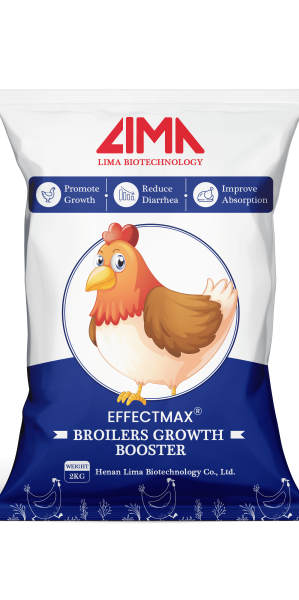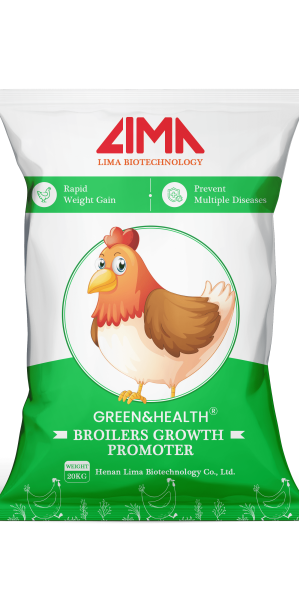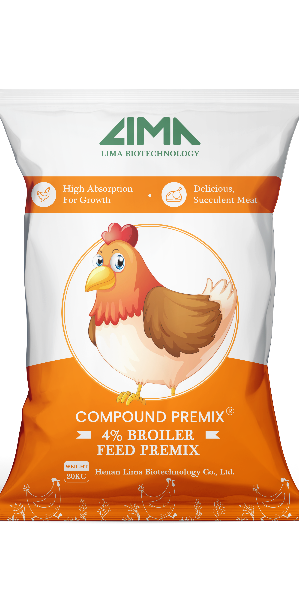














In large-scale poultry farming, broiler growth rates and weight attainment rates are directly linked to farming profitability. As a targeted feed additive, Broiler Growth Booster supplements key nutrients and regulates metabolic functions to effectively enhance growth performance and immunity in broilers—an especially valuable tool in Uganda’s broiler farming context, where environmental conditions pose unique challenges. This helps farmers shorten production cycles while improving market-ready quality, even amid Uganda’s variable climate and resource constraints.
What is a Broiler Booster?
Broiler growth boosters are feed additives specifically designed for broiler growth requirements. Through scientifically formulated ratios of nutrients and bioactive substances, they rapidly address nutritional gaps during critical growth phases, optimize metabolic efficiency, promote muscle development and energy accumulation, and enhance disease resistance. Ultimately, they achieve the farming objectives of “improving quality, increasing weight, and shortening cycles”—goals that are vital for Ugandan farmers navigating tight profit margins and environmental pressures.
Types of Broiler Boosters Available on the Market
- Nutritional Enhancement Type: Features high-content vitamins (e.g., Vitamins A, D, E), minerals (zinc, selenium, phosphorus), and limiting amino acids (lysine, methionine, threonine) as core components. Ideal for addressing growth retardation caused by nutritional deficiencies—common in Uganda when base feeds lack quality due to inconsistent local feed production.
- Metabolism Regulators: Contain enzyme preparations (amylase, protease, cellulase), probiotics (Bacillus, Lactobacillus), or plant extracts (allicin, astragalus polysaccharides). These improve intestinal digestion and absorption, critical for mitigating the impact of low-quality forage or feed spoilage (a risk in Uganda’s humid regions) and reducing nutrient wastage.
- Immune Enhancement Type: Incorporates immune polysaccharides, peptides, and vitamin C. Essential for broilers during stress periods (e.g., after transfer or vaccination) or recovery from illness—particularly relevant in Uganda, where temperature fluctuations, high humidity, and limited biosecurity can heighten disease risk.

Benefits of Using Broiler Boosters in Poultry Management
- Shorter production cycles: Accelerates weight gain, typically advancing market readiness by 3-7 days, reducing fixed costs like utilities and feed—critical in Uganda, where feed accounts for 60-70% of farming expenses.
- Improved feed conversion: Mitigates “high intake, slow growth” issues, lowering feed requirements per unit weight gain by 5%-10% to directly boost profitability amid rising feed prices in Uganda.
- Improved market quality: Enhances muscle firmness and uniformity, reducing defective birds (e.g., stunted or underweight chickens) and increasing slaughter pass rates—key for accessing premium markets in urban centers like Kampala.
- Strengthened stress resilience: Supplies immune-supporting nutrients to mitigate stress responses (e.g., temperature fluctuations, overcrowding) and disease susceptibility, thereby boosting flock survival rates in Uganda’s unpredictable climate.
The Role of Broiler Boosters in Poultry Nutrition
The Core Logic Underpinning Growth and Health
The growth rate of broiler chickens is directly linked to nutritional supply, particularly during rapid growth cycles (typically reaching market weight in 6-8 weeks), where basic feed often fails to fully meet their “high-efficiency growth” requirements. In Uganda, this gap is often widened by environmental stressors: high humidity can degrade feed quality, while temperature swings (common in both tropical lowlands and cooler highlands) disrupt metabolism. The core function of growth promoters is “precision supplementation”: replenishing nutrients insufficient in base feed (e.g., lysine) and regulating physiological functions to ensure nutrients are efficiently converted into body weight—offsetting losses caused by environmental stress.
Simultaneously, broiler growth boosters balance “growth rate” and “health status.” Rapidly growing broilers in Uganda are prone to weakened immunity due to humidity-related pathogens (e.g., coccidia) and skeletal issues from inconsistent nutrition. Growth promoters’ vitamin D, calcium, and phosphorus support bone health, while immune polysaccharides and vitamin E enhance disease resistance—preventing “gain weight but not health” scenarios.
Key Nutrients and Their Mechanisms of Action
[Retained in full as original, with the following contextual note added:]Note for Ugandan Farmers: Nutrients like vitamin A (supports respiratory mucosal barriers) and selenium (antioxidant) are particularly critical in Uganda’s humid regions, where respiratory infections and muscle disorders (e.g., white muscle disease) are more prevalent due to damp conditions. Probiotics and plant extracts (e.g., allicin) also help combat gut pathogens common in crowded, humid coops.
Scientific Basis of the Formula
[Retained in full, with the following contextual note added:]Formulations align with Uganda’s farming realities: for example, metabolic regulators (enzymes, probiotics) are prioritized to offset low-quality local feeds, while immune enhancers address stress from temperature fluctuations (e.g., cold nights in highlands, heatwaves in lowlands) and limited ventilation in small-scale coops.
Signs Your Broilers Need a Booster
[Retained in full, with the following contextual note added:]In Uganda, watch for these signs more closely during rainy seasons (March-May, September-November), when humidity spikes feed spoilage and disease risk, and during dry seasons (December-February, June-August), when dust and temperature extremes cause stress. For example, digestive abnormalities (soft droppings) are common in rainy months due to moldy feed, while immune decline (frequent respiratory issues) often occurs in dry, dusty conditions.
Ideal Timing for Administering Broiler Boosters
The growth cycle of broiler chickens can be divided into the chick rearing stage (0-3 weeks), the growing stage (4-6 weeks), and the finishing stage (7-8 weeks). Each stage exhibits distinct physiological characteristics, with additional considerations for Uganda’s environmental conditions:
Nursery Stage (0-3 weeks): Routine use not recommended; emergency supplementation only
The primary tasks are skeletal development, immune system establishment, and intestinal function maturation. In Uganda, this stage is high-risk due to temperature instability (e.g., cold drafts in uninsulated coops) and poor biosecurity in small-scale farms. Only use mild nutritional-enhanced boosters (vitamins, minerals, probiotics) if signs of deficiency appear (severely underweight, sparse feathering) for 3-5 days—avoid overloading young chicks’ digestive systems.
Growth Phase (4-6 weeks): Core initiation period
After 4 weeks, broilers enter rapid growth, with increased protein and energy needs. In Uganda, this phase coincides with peak temperature fluctuations (e.g., hot afternoons and cool evenings) and rising humidity in rainy seasons. Use a nutrient-enriched + metabolic-regulating booster (lysine, methionine, enzymes, probiotics) for 7-10 days to supplement growth nutrients and support digestion—offsetting feed quality issues and environmental stress.
Finishing Phase (7-8 weeks): Intensive growth for market quality
This stage focuses on muscle firmness and fat deposition. In Uganda, finishers face stress from heat (in lowlands) or cold (in highlands) and potential feed scarcity. Use an energy metabolism-regulating + immune-enhancing booster (vitamin E, selenium, organic acids) for 5-7 days (cease 3 days pre-slaughter) to boost daily gain by 10-15% and reduce abdominal fat—critical for meeting market demands. Avoid high-dose nutritional boosters to prevent toxicity.
Special Periods: Supplementation During Stress or Disease Recovery
- Within 72 hours post-stress: In Uganda, common stressors include sudden rainstorms (flooding coops), power outages (disrupting ventilation), or transportation to markets. Supplement with immune-boosting + metabolic-regulating boosters for 3-5 days to restore growth.
- Within 1 week after disease recovery: Illnesses like coccidiosis (rampant in humid Ugandan coops) or Newcastle disease deplete nutrients. Use mild supplements at 70% dosage to avoid intestinal burden.
Contraindications for Timing of Use
[Retained in full, with the following contextual note added:]In Uganda, avoid delayed use (after 7 weeks) 尤为 critical, as the short growth cycle (6-8 weeks) leaves little time to compensate for growth losses from environmental stress. Also, avoid continuous use during rainy seasons—prolonged probiotic use can disrupt gut flora already imbalanced by damp conditions.
How to Administer Broiler Boosters Effectively?
[Retained in full, with the following contextual notes added:]
- Feed Addition: In Uganda, ensure mixed feed is used within 24 hours—humidity accelerates spoilage. Wear protective gear to avoid respiratory irritation from dusty feed (common in dry seasons).
- Water Addition: Use clean, chlorine-free water (many Ugandan farms rely on well water). Avoid mixing with disinfectants, which are often overused in small-scale farms to combat disease.
- Injectable Formulation: Rarely used in Uganda due to limited access to trained personnel—prioritize feed/water additives for safety.

Storage and Handling Guidelines
[Retained in full, with the following contextual note added:]In Uganda’s humid climate, store boosters in airtight containers (e.g., sealed plastic bins) in cool, dry areas (e.g., elevated shelves to avoid ground moisture). For liquid boosters, refrigeration may not be available—use within 3 days of opening if stored in a shaded, cool spot.
Potential Risks and Side Effects of Overuse
[Retained in full, with the following contextual note added:]Ugandan farmers should avoid overusing nutritional boosters, as excessive vitamins (e.g., A, D) can accumulate in broilers raised in small, poorly ventilated coops—exacerbating liver stress from moldy feed (common in humid conditions). Selenium overdose is also a risk, as local soils may already have variable selenium levels.
Preventive Measures
[Retained in full, with the following contextual note added:]In Uganda, regular flock monitoring (weekly weighing) is critical, as growth gaps can quickly widen due to environmental stress. Partner with local veterinarians or agricultural extension officers to test feed quality—many small-scale farms unknowingly use nutrient-deficient or moldy feed.
Other Management Practices to Complement Broiler Boosters
The effectiveness of broiler growth promoters relies on scientific farming management—especially critical in Uganda’s challenging environment. Below are key practices tailored to local conditions:
Environmental Management: Mitigating Uganda’s Climate Challenges
Temperature Control
- Nursery Stage (0-3 weeks): 30-35°C (use heat lamps or straw insulation in cool highlands);
- Growth Stage (4-6 weeks): 22-28°C (install shade nets or evaporative coolers in hot lowlands);
- Finishing Stage (7-8 weeks): 20-25°C;Avoid temperature fluctuations exceeding 5°C/day—common in Uganda due to sudden weather changes. During rainy seasons, insulate coops with plastic sheeting to retain heat; during dry seasons, use fans to reduce heat stress.
Stocking Density and Ventilation
- Stocking Density: Ugandan farms often overcrowd coops to maximize output—adhere to 20-25 birds/m² (1-2 weeks), 15-20 birds/m² (3-4 weeks), and 10-15 birds/m² (5+ weeks) to reduce humidity and disease spread.
- Ventilation: In small-scale coops, install adjustable vents or use raised floors to improve air flow. Aim for ammonia levels below 20ppm (no pungent odor)—critical in humid Uganda, where ammonia buildup from damp bedding causes respiratory issues.
Bedding Management
Use locally available materials (e.g., rice husks, banana fiber) maintained at 5-8 cm depth. Replace bedding twice weekly during rainy seasons to prevent mold and dampness—major contributors to foot lesions and coccidiosis in Uganda.
Diet Management: Adapting to Local Feed Resources
Basic Feed Quality
Growth promoters cannot replace base feed. In Uganda, select feeds formulated for local conditions (e.g., high lysine content to compensate for low-quality protein sources). Avoid moldy feed—common during rainy seasons—and store feed in elevated, dry areas. For small-scale farms, supplement base feed with locally available protein (e.g., soybean meal, fish meal) to enhance nutrition.
Water Quality
Provide clean, cool water (avoid stagnant water, which breeds bacteria). In rural Uganda, use ceramic or plastic drinkers (easier to clean than metal) and disinfect weekly with 0.05% potassium permanganate—critical for preventing waterborne diseases like salmonella.
Feeding Method
Feed 3-4 times daily, with portions consumed within 30-40 minutes. During dry seasons, increase feeding frequency to 4-5 times daily to encourage intake (broilers eat less in extreme heat). Forage on local greens (e.g., amaranth, spinach) as a cost-effective supplement—boosting vitamins and reducing feed costs.
Daily Care: Strengthening Resilience in Ugandan Conditions
Regular Monitoring
Weigh weekly and compare to breed standards (e.g., AA broilers, Ross 308—common in Uganda). Daily observe for diarrhea (rainy season risk) or lethargy (heat stress in dry seasons) and adjust booster use accordingly.
Immunization and Deworming
Follow Uganda’s national immunization schedule (Newcastle disease, avian influenza, infectious bursal disease)—critical for preventing disease outbreaks in dense flocks. Deworm at 4 weeks of age (targeting coccidia and roundworms) using locally available dewormers—intestinal parasites thrive in humid conditions and compete for nutrients.
Stress Management
Minimize stress during flock transfers or vaccinations—common triggers for growth slowdown in Uganda. Reduce feed intake 1 day before and 2 days after these events, and supplement with vitamin C (affordable and widely available) to mitigate stress. Avoid changing feed suddenly—local feeds vary in quality, so transition gradually to prevent digestive issues.
By integrating broiler boosters with environment-specific management practices, Ugandan farmers can overcome climate and resource challenges to achieve faster growth, higher quality broilers, and improved profitability. The key lies in timing boosters to address growth gaps and environmental stress, while adhering to dosage guidelines and complementary farming practices tailored to Uganda’s unique conditions.
Prev: