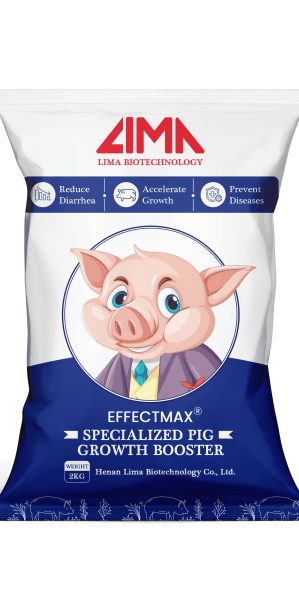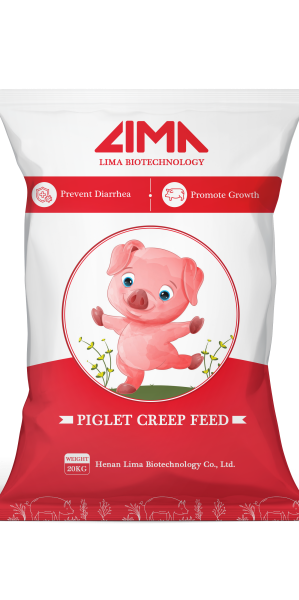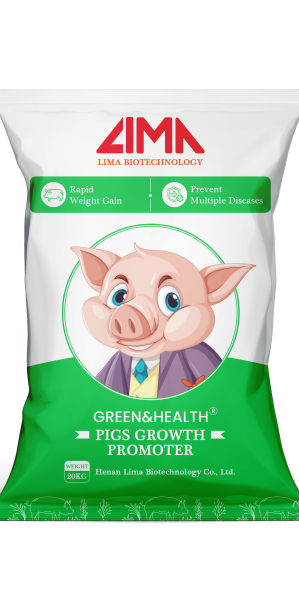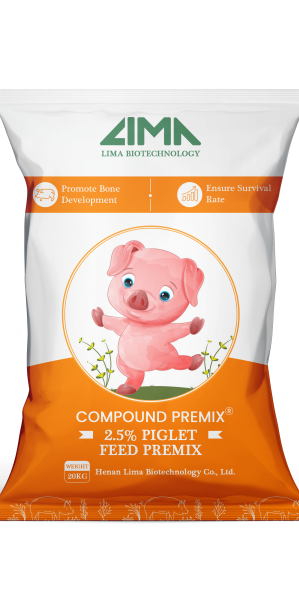














In Uganda, the core concern for pig farmers is accelerating pig growth. Below are some suggestions to help them improve the profitability of pig farming. Lima Biotechnology helps farmers achieve sustainable development in Uganda's pig farming industry.
Why Pig Farming in Uganda?
In recent years, with the acceleration of urbanization and the improvement of living standards in Uganda, the demand for pork has been continuously increasing. Uganda's pig farming industry is mainly driven by millions of smallholder farmers. Small-scale pig farming is a familiar and flexible operating model in the Ugandan market, supporting the foundation of the country's pork supply chain.
Profitable Pig Farming in Uganda
Compared with other livestock farming, Uganda's pig farming industry has significant advantages. First, the growth rate is fast, allowing for rapid growth in livestock numbers in a short period. Second, the reproductive capacity is strong; sows can be bred at 8-9 months, can give birth twice a year, have a gestation period of only 114 days, and produce 6-12 or even more piglets per litter. Third, the return on investment cycle is short; fattening pigs can reach a slaughter weight of 80-100 kg in 7-9 months. Furthermore, you may not know that pigs have an extremely high feed conversion rate, second only to broilers among meat-producing animals, producing a high live weight with relatively little feed.
Why Your Pigs Grow Slowly in Uganda?
Industry-wide Challenges
The Ugandan pig farming industry currently faces numerous industry-wide challenges, including low production efficiency, high feed costs, insufficient veterinary services, and inadequate cold chain logistics facilities. These problems collectively lead to pork supply shortages and price fluctuations, hindering the overall development of the industry.
Impact of African Swine Fever (ASF)
Recurring outbreaks of ASF in Uganda have severely impacted the time to market for pigs. The lack of disease prevention and biosecurity measures has become a major bottleneck hindering normal pig growth and improving farming efficiency.
Specific Problems at Pig Farming
In actual farming practices, some Ugandan farmers have also reported numerous specific problems to Lima Biotechnology's experts. For example, fattening pigs consume excessive amounts of feed but exhibit poor growth, resulting in high feed conversion rates; pigs are prone to diarrhea and respiratory diseases, affecting healthy growth; and pigs exhibit uneven body size at market weight, thus affecting appearance and market price.

Make Your Pigs Well-fed To Grow Bigger and Faster
Adjusting Pig Feed Nutrition in Stages
Piglets and young pigs should have free access to starter feed, which contains 75%-80% carbohydrates, such as corn and sorghum, to meet their energy needs during rapid growth. When pigs reach a weight of 170 pounds (approximately 77 kg) or more, a low-fat feed should be switched to prevent excessive fat accumulation from affecting slaughter quality.
Using Feed Additives to Increase Feed Intake
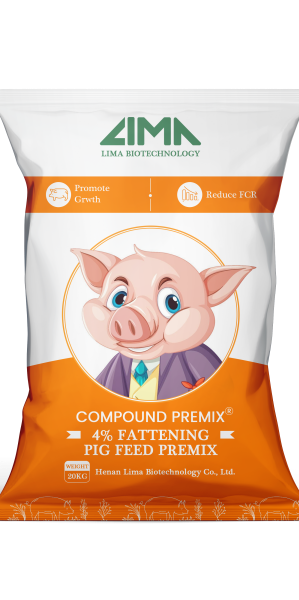
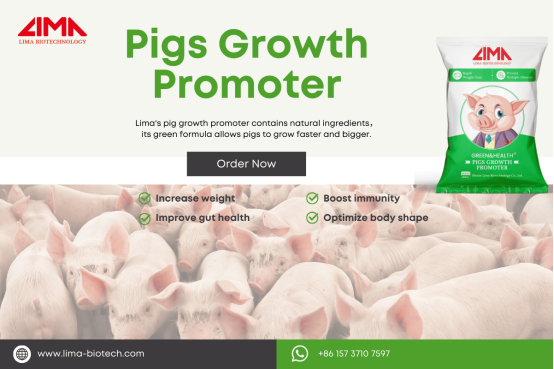
For pigs fed on a schedule, growth boosters can be added to the feed to increase feed intake. Lima's organic growth promoters effectively promote feed absorption, ensuring timely access to nutrients, thus balancing nutrition and reducing the feed conversion ratio.
Simultaneously, in Uganda, it is crucial to ensure that pigs have access to fresh, clean drinking water 24 hours a day, as water is essential for maintaining growth and nutrient absorption.
Setting Feeding Amounts Based on Age
For weaned piglets aged 5 weeks to 3 months, pay attention to the fact that nutritional supply during this stage is crucial for the development of the nervous system, organs, and bones. Pigs older than 3 months should be fed a diet with increased protein content.
The amount of feed needs to be adjusted according to the weather conditions. Pigs raised outdoors in winter need to be fed more to maintain their body temperature.
Reducing Feed Conversion Rate (FCR) of Pig Farming
What is Feed Conversion Rate (FCR) ?
FCR is an indicator that measures the conversion of feed into pig weight. You can calculate FCR by dividing the total amount of feed by the total amount of pork produced. It's the number of kilograms of feed required to produce 1 kilogram of pork (the result is always greater than 1).
Importance of Feed Conversion Rate
Feed costs account for 60%-70% of pig farming costs, and over 60% of the carbon footprint of pork production comes from feed ingredients. Therefore, reducing FCR can significantly improve farming profitability and support sustainable production. As consumers and Ugandan policies increasingly focus on sustainable production, FCR will become increasingly important as an indicator of environmental sustainability.
Feeding Pigs With Growth Promoters to Reduce FCR
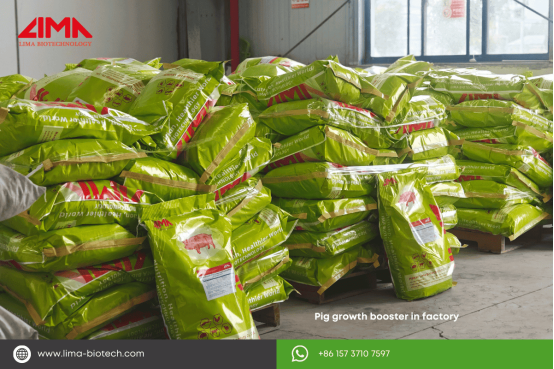
Reducing FCR requires a multi-pronged approach. Besides optimizing feeding methods, feeding pigs with growth boosters means promoting a healthier gut for your pig herd. This ensures that the feed piglets consume is effectively converted into weight gain, reducing disease and improving feed utilization efficiency.
Pay Attention To Your Pig Gut Health
A healthy gut effectively prevents diarrhea in pigs, improves feed nutrient absorption, directly promotes growth, and reduces growth losses caused by intestinal problems. Lima's organic pig growth promoter contains probiotics that balance gut flora, effectively preventing diarrhea and promoting digestion.
Pigs are often physically weak and prone to illness, leading to slow growth. Consult your veterinarian to ensure your herd maintains a high level of health. Feeding with Lima's feed additives, containing amino acids and protein, promotes animal growth and enhances immunity.
Suitable Pig Farming Environment In Uganda
In Uganda, suitable temperature and good ventilation have proven effective in improving feed conversion ratios and pig growth rates.
Preventing diseases such as African swine fever in Uganda requires strict implementation of farm entry controls and regular disinfection protocols to avoid hindering pig growth and ensure stable pig production.
Using Growth Boosters to Improve Pig Growth Rate
Daily growth changes in pigs:
3-5 days: Increased feed intake in pigs after using growth boosters.
5-7 days: Reduced feces by 20%, no visible corn kernels in feces.
10-15 days: Effectively improves pig appearance, resulting in red skin and shiny coat.
20-30 days: Improves body shape in fattening pigs, increases lean meat percentage.
From weaning to market, weight gain is over 15kg compared to the previous year.
Each pig gains 15-20kg compared to the previous year from weaning to sale; it takes 120 days to go from 7kg to 130kg.
Conclusion: Accelerating Growth of Ugandan Pigs
Currently, there is a strong demand for pork in Uganda. Farmers can improve pig growth efficiency by using organic growth promoters to accelerate the time to market, better meet market demand, and achieve increased profits.
- About Lima Biotech
- Careers-Lima Biotech
- Code of Conduct-Lima Biotech
- Conditions of Sale-Lima Biotech
- Contact-Lima Biotech
- Cookies Policy-Lima Biotech
- Find Agent-Lima Biotech
- Global Warehouses
- Investor Relations-Lima Biotech
- Legal Information-Lima Biotech
- Privacy Policy-Lima Biotech
- Success-Lima Biotech
- Sustainability-Lima Biotech
- World Class Manufacturing-Lima Biotech
Prev: